For critical infrastructure operators managing substations, power plants, and chemical facilities across multiple jurisdictions, manual compliance approaches cannot scale to meet NIS2's expanded scope and accelerated enforcement timelines.
Cut NIS2 Audit Prep Time by 85% with Purpose-Built OT Compliance Automation


Operators across energy, manufacturing, water, oil & gas, chemical, and other critical infrastructure run dozens of sites, plants, and facilities — each with PLCs, RTUs, HMIs, and relay gateways from multiple vendors.
Legacy infrastructure, segmented networks, and constantly changing standards make it nearly impossible to maintain a current, accurate picture of your OT environment.
That complexity creates evidence gaps, inconsistent reporting, and audit findings that cost time and credibility.
You're responsible for proving compliance across assets you can't always see — and the standards keep changing.


With regulatory oversight intensifying across every critical infrastructure sector, the cost of manual, reactive compliance continues to rise.
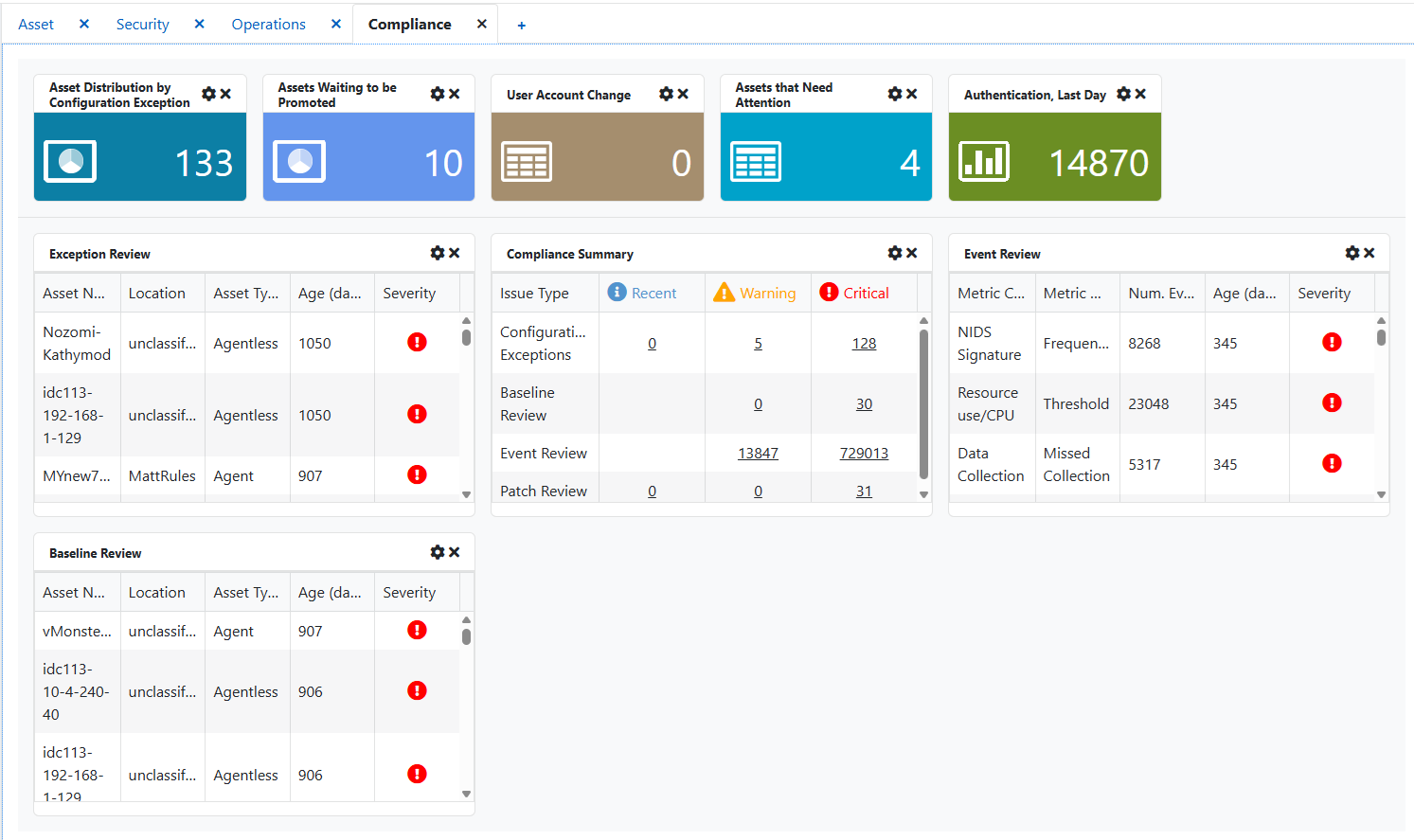
Industrial Defender provides a single, unified view of your OT environment, enabling teams to continuously monitor assets, detect risks, and generate compliance-ready reports aligned to NIS2 and IEC standards.

Automatically discover and inventory all assets across your environment

Identify anomalies, vulnerabilities, and configuration changes in real time

Generate audit-ready reports without manual effort

Prioritize what matters most across your infrastructure
Reduction in compliance effort
Visibility across distributed environments
IEC 62443, ISO 27001 aligned

Automatically identify and inventory every device, system, and connection across your industrial environment.

Understand your current security state, gaps, and risk exposure relative to NIS2 and IEC requirements.

Detect anomalies, vulnerabilities, and configuration changes across your environment in real time.

Produce compliance documentation automatically, whenever you need it, without manual effort.
.svg)
Get a complete, audit-ready view of your OT assets, your compliance gaps, and how to close them — built to the standard set by North America's electric grid, and proven across essential industries. Protect your devices, your operations and your reputation with the finest asset intelligence monitoring available.

Electric utilities operating 100+ substations face asset inventory requirements across thousands of OT devices. Oil and gas companies securing remote pipeline facilities must demonstrate continuous security monitoring. Manufacturing operations managing 50,000+ industrial control systems need audit-ready evidence packages that satisfy both NIS2 Article 20 risk management requirements and Article 21's 24-hour incident notification mandate.
Purpose-built NIS2 OT compliance automation transforms this burden into operational efficiency. Organizations deploying comprehensive OT asset management platforms report 85% reductions in audit preparation time, with compliance reporting processes dropping from 5 hours to 45 minutes. The difference lies in automated asset discovery, continuous configuration monitoring, and unified evidence collection that simultaneously addresses NIS2 alongside IEC 62443, NERC CIP, and regional frameworks.
Manual compliance processes cannot meet NIS2's operational demands. The original NIS Directive revealed a notable weakness when research showed that 68% of significant cybersecurity incidents affecting essential entities went unreported or were reported late. This reporting failure stemmed directly from fragmented, spreadsheet-based evidence collection methods.
The challenge multiplies drastically for OT environments. An electric utility operating 100+ substations cannot maintain accurate asset inventories through quarterly manual surveys. By the time engineering staff document devices at one substation, configuration changes at three others have already rendered the inventory obsolete.
The operational consequences extend beyond audit preparation inefficiency:
The scale of this challenge is significant. 58% of organisations subject to two or more reporting frameworks had not yet implemented a unified incident response workflow. Fragmentation like this represents unacceptable operational risk. The solution requires purpose-built automation that treats OT asset data as the single source of truth for all compliance frameworks, delivered through an OT Asset Management Platform.
When a multi-national gas and electrical distribution company needed to address overlapping compliance requirements across 4 countries and 400+ sites, the operational challenge extended far beyond NIS2 alone. Each jurisdiction imposed its own regulatory framework: IEC 62443 in some regions, national critical infrastructure directives in others, plus emerging requirements under Qatar CSF and Saudi Arabia OTCC for Middle Eastern operations.
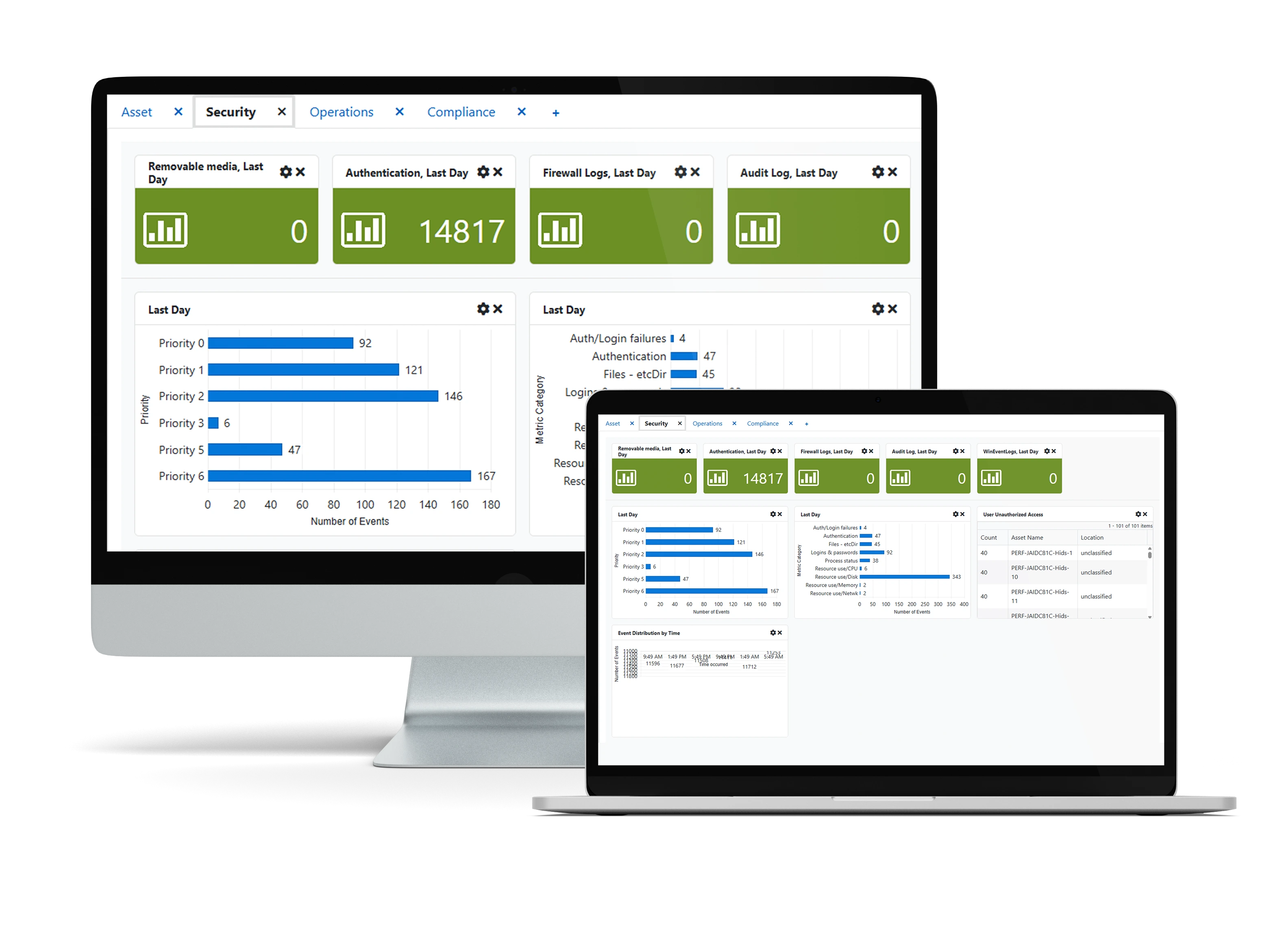
The organization deployed Industrial Defender's centralized platform with distributed Industrial Defender Collector agents at each of the 400+ sites. This architecture established a unified OT asset inventory that automatically discovered devices, tracked configuration changes, and collected security event data across all jurisdictions. A single data collection infrastructure simultaneously generated evidence packages tailored to each regulatory framework's specific control requirements.
For NIS2 compliance specifically, the deployment addressed Article 20's risk management measures through comprehensive asset visibility. Automated discovery identified previously unknown devices on OT networks, establishing the complete asset inventory required for supply chain risk assessments. Configuration baselines provided the documented security measures auditors require, while continuous monitoring detected unauthorized changes that could indicate incidents requiring Article 21 notification.
The multi-framework approach delivered three operational outcomes:
The same device inventory, configuration baseline, and security event log that satisfies NIS2 Article 20 requirements also provides evidence for IEC 62443 security levels and NERC CIP cyber asset identification. This architectural approach eliminates the compliance workflow duplication that makes manual processes unsustainable at scale.

NIS2's operational requirements center on two critical articles. Article 20 mandates comprehensive risk management measures including supply chain security, network security, and incident handling. Article 21 establishes strict incident reporting timelines: 24 hours for early warning notification, 72 hours for incident notification, and one month for final reports.
Article 20's supply chain risk assessment requirement exemplifies the challenge. Essential entities must demonstrate knowledge of their OT vendor equipment, firmware versions, and security update status across all critical systems. An electric utility operating 100+ substations cannot maintain this visibility through quarterly manual surveys.
Purpose-built OT asset discovery addresses this requirement through continuous automated scanning. Active and Passive Monitoring combines passive network traffic analysis with targeted active queries to identify every device on OT networks without impacting production systems. This hybrid approach discovers assets that purely passive monitoring misses while maintaining the operational safety that OT environments require.
Configuration change management directly supports Article 20's requirement for security measures implementation and Article 21's incident detection capabilities. The platform establishes configuration baselines for all critical OT systems, then monitors continuously for unauthorized modifications. When changes occur, automated alerting notifies security teams within minutes rather than the days or weeks typical of manual review processes.
Technical implementation leverages NIST 800-82 OT security controls as the foundation for NIS2 compliance mapping. Asset management controls (CM-8) align with Article 20's inventory requirements. Configuration management controls (CM-2, CM-3, CM-6) provide the baseline documentation and change detection that demonstrate security measures implementation. Incident response controls (IR-4, IR-5, IR-6) establish the detection and reporting workflows that Article 21 mandates. The same automated capabilities also generate evidence for IEC 62443, NERC CIP, and national frameworks from a single asset inventory.
What previously required 5 hours of manual spreadsheet compilation now takes 45 minutes of automated report generation, because you collect asset data once and generate framework-specific evidence packages automatically.

The operational efficiency gap between manual and automated compliance processes becomes starkly visible during audit preparation. Electric utilities using spreadsheet-based evidence collection report spending 5 hours or more generating documentation for a single regulatory framework. Multiply that across NIS2, IEC 62443, national directives, and sector-specific requirements, and compliance teams face unsustainable workloads.
Purpose-built compliance automation collapses this timeline through unified evidence generation. What previously required 5 hours of manual spreadsheet compilation now takes 45 minutes of automated report generation. The efficiency gain stems from a fundamental principle: collect asset data once, generate framework-specific evidence packages automatically.
Electric utilities achieving 85% reduction in NERC CIP audit preparation time through automation apply the same capabilities to NIS2 requirements. The Compliance Reporting Engine maps OT asset data to Article 20's risk management measures and Article 21's incident reporting requirements, generating audit-ready documentation without additional data collection.
Chemical manufacturers demonstrate similar gains. A major chemical manufacturer managing 500+ OT devices reduced audit preparation time by 60% after deploying automated compliance infrastructure. Continuous asset discovery eliminated the periodic manual surveys that previously consumed engineering resources, while automated evidence collection generated compliance reports on demand.
For NIS2 specifically, the platform maps asset inventory data to Article 20's supply chain risk assessment requirements, configuration baselines to security measures implementation evidence, security event logs to Article 21's incident detection and notification workflows, and network topology data to network security requirements. Audit preparation efficiency translates directly to operational security improvements, as teams redirect time from spreadsheet compilation to vulnerability remediation and incident response planning.
NIS2's Article 20 risk management measures explicitly address operational technology through requirements for supply chain security, network segmentation, and incident handling procedures that recognize OT's unique operational constraints. Unlike IT systems where security updates can be deployed rapidly, OT environments often run legacy systems with vendor-specific update schedules and production uptime requirements that constrain patching windows. Purpose-built OT compliance automation addresses these differences through operationally safe discovery methods, configuration change monitoring that respects production schedules, and multi-framework evidence generation that recognizes OT's longer asset lifecycles.
Article 20's risk management measures mandate comprehensive asset inventories for supply chain risk assessment, requiring organizations to document vendor equipment, firmware versions, and security update status across all critical systems. Article 21's incident reporting requirements depend on real-time security event detection, which requires continuous configuration monitoring to identify unauthorized changes that could indicate security incidents. Manual asset inventories cannot maintain the accuracy and timeliness that these articles demand, particularly for organizations managing thousands of OT devices across distributed facilities.
Yes, purpose-built OT compliance automation treats asset data as framework-agnostic, collecting device inventories, configuration baselines, and security events once, then mapping that data to multiple regulatory requirements. The same automated discovery that satisfies NIS2 Article 20's asset inventory requirements also provides evidence for IEC 62443 security levels, NERC CIP cyber asset identification, and NIST CSF asset management controls. Organizations operating across multiple jurisdictions use this multi-framework capability to eliminate duplicate compliance workflows while ensuring evidence packages meet each framework's specific control requirements.
Deployment timelines depend on operational environment complexity and existing security infrastructure, but organizations typically achieve initial asset visibility within weeks and full compliance automation within 90 days. A European electric utility achieved IEC 62443 compliance across 24 substations using phased collector deployment that maintained operational continuity. The platform's pre-configured compliance mappings eliminate the need to develop custom reporting templates, accelerating time to audit-ready documentation.
Essential entities face maximum administrative fines of €10 million or 2% of global annual turnover, whichever is higher, alongside enhanced supervisory measures including mandatory security audits and potential management liability. Important entities face lower penalties of €7 million or 1.4% of global turnover. Beyond financial penalties, the enforcement acceleration demonstrated by Germany's BSI issuing formal notices to 47 entities in Q4 2025 shows that regulators are actively identifying and penalizing non-compliant organizations.


