How a major U.S.-based petrochemical company standardized security and change management across a heterogeneous, multi-vendor control environment — without downtime or a single process incident.
.svg)
The most important result is that it hasn't caused any problems within the environment. That is a big deal.
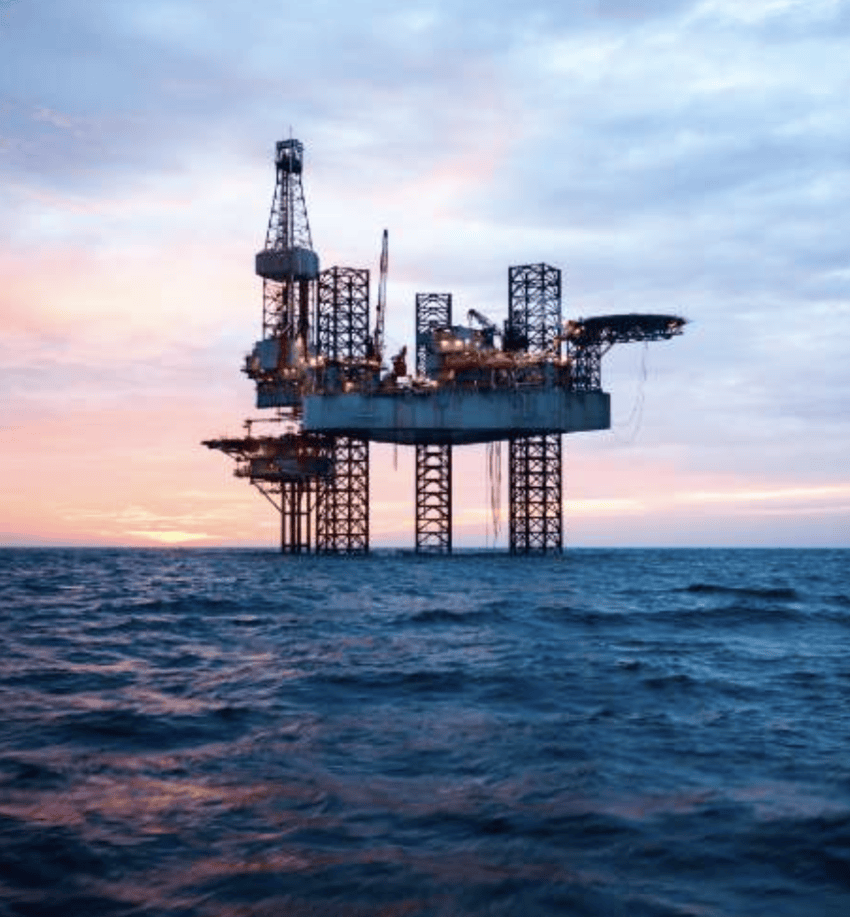
A major U.S.-based petrochemical company with more than $13 billion in revenue operates over 30 chemical plants in the United States and around the world, producing olefins, polyolefins, and specialty chemicals and serving the oil industry with oilfield fluids. Its global operations rely heavily on Microsoft products and a heterogeneous mix of distributed control systems (DCS).
Industrial control systems across production facilities in eight countries were managed locally, with no standardized components or corporate view. Industrial Defender delivered a standardized, real-time view of security, compliance, and change management across the entire heterogeneous environment — without compromising the stability and uptime critical to OT.
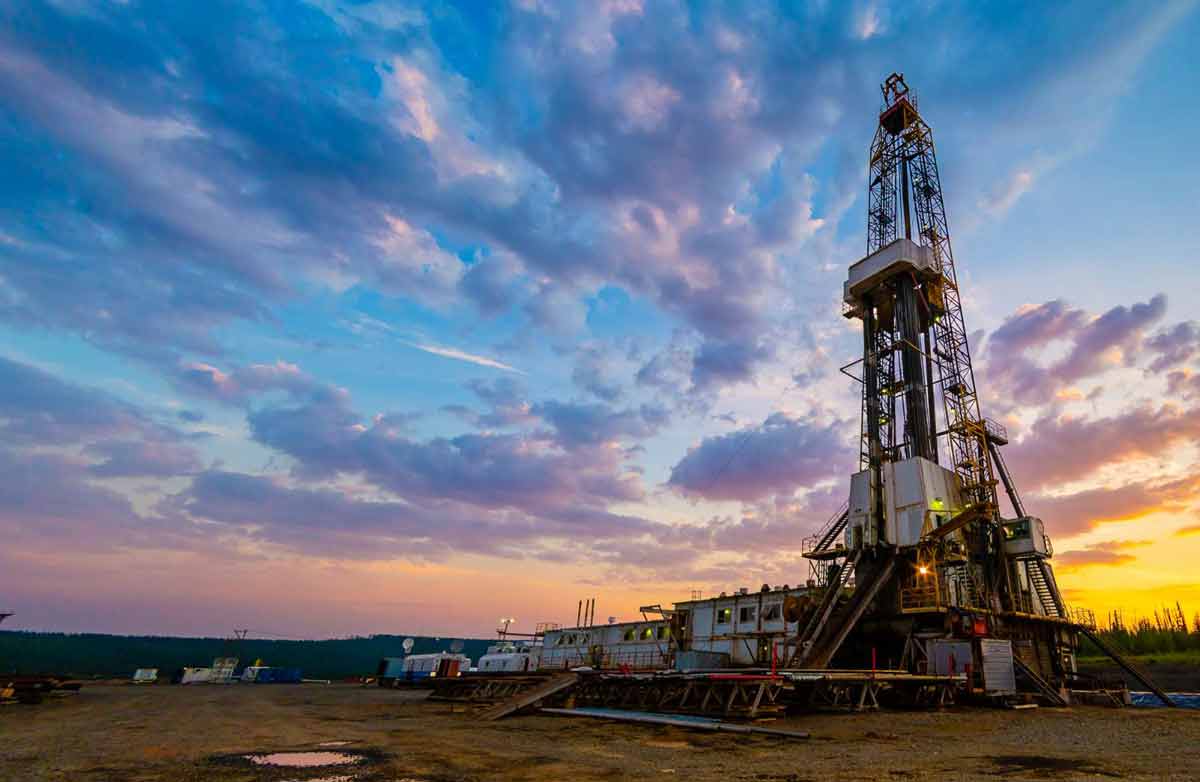
Industrial control systems for production facilities in eight countries, from North America to Asia, were being managed locally at each site with no standardized components or corporate view. Reporting on the security status of these systems relied heavily on manual processes and was often unreliable. As cyber risks to industrial control systems grew, the company needed a standardized way to manage these critical systems.
Safety is a core value in the petrochemical industry, and because the essence of safety in industrial processes is stability, cybersecurity is now critical to safety. Coming from the IT side of the business, the ICS security manager understood they needed a solution to address both IT security and operational technology (OT) safety.

Deliver one consistent view across a heterogeneous control environment spanning many DCS vendors, replacing unreliable, manual, site-by-site reporting.
Gain a real-time view of network and server configuration and automate change management to quickly identify and mitigate threats.
Secure industrial and process control systems without compromising OT stability, while positioning for possible future regulations.
Many solutions were evaluated, including Microsoft's Client Configuration Manager. Microsoft's lack of experience in the OT environment ultimately led the company to choose Industrial Defender's integrated solution for security, compliance, and change management across a broad range of endpoints.
The company began with a six-month installation at one facility, bringing in both IT and process automation teams to review the results before scaling.
A key early result: the solution was deployed with no downtime and no incident in the process environment, while delivering visibility across tools from multiple vendors.
The U.S. rollout began with agentless monitoring to minimize manpower and impact on local equipment; agents were added later for more detailed information and reduced bandwidth needs.
On-site technicians who understood both OT and IT enabled swift, efficient deployment and advanced collaboration between IT and OT staff.
The Industrial Defender platform enables organizations to strengthen cybersecurity across multiple domains.

Together, these capabilities created a unified OT cybersecurity platform — delivering continuous visibility, automated monitoring, and audit-ready compliance across the utility's entire operational environment.
As part of a three-year project bridging IT and OT asset owners, seven sites were deployed in nine months across DCS platforms from Yokogawa, ABB, Honeywell, Schneider, Emerson, and Rockwell.
A unified view of network and server configuration at both site and corporate level let security managers log in to remote locations and get a standardized view of conditions for the first time.
The customer immediately identified several network and server configuration issues once full visibility was in place.
Improved patch and configuration management while maintaining uptime on critical operational systems, supported by flexible reporting dashboards for future compliance requirements.
After more than a year in operation, the security team reports no significant security incident; the customer is highly satisfied and plans to expand to 10 sites.
In the petrochemical industry, safety depends on stability, which makes cybersecurity central to safe operations. This engagement shows how a large, multi-vendor DCS environment can be standardized and secured without sacrificing the uptime that process safety demands.


